

Exclusive Services
✨ Our Coaching Services ✨
We specialize in empowering individuals and organizations through:
-
Personal Life Coaching – Helping you discover purpose, build confidence, and achieve your goals.
-
Conflict Management – Equipping you to handle conflicts at home and in the workplace with wisdom and peace.
-
Leadership & Management – Developing effective, value-driven leaders who inspire and guide teams.
-
Peace in Relationships – Restoring harmony and trust in marriages, families, and friendships.
-
Business & Management Coaching – Enhancing productivity, decision-making, and strategic growth.
-
Mindset Development – Cultivating resilience, positive thinking, and a growth-oriented perspective.
💡 Whether you are an individual seeking clarity or an organization aiming for transformation, we walk with you toward lasting impact and success.
Empowered Life Coaching

🌟 Personal Life Coaching Program 🌟
We help you explore and build your life with clarity, confidence, and direction. Our program includes:
-
Discover Your Personality – Gain deep self-awareness and understand your unique design.
-
Vision & Life Purpose – Identify where you want to go and what truly matters to you.
-
Passion & Abilities – Recognize what energizes you and the talents God has placed in you.
-
DISC Personality Profile – Learn your communication and behavior style for better relationships.
-
Strengths & Weaknesses – Develop your strengths and transform weaknesses into growth areas.
-
Goal Setting (Short-term & Long-term) – Create SMART goals to move toward your vision step by step.
-
Decision Making – Gain confidence in making wise, value-based decisions.
-
Core Values Inventory – Define your guiding principles that shape your life and choices.
✨ By the end of this journey, you will have a personal roadmap for growth, confidence in your decisions, and a clear sense of purpose.
Conflict Management

⚖️ Conflict Management at Home & Workplace ⚖️
Conflicts are natural—but handled wisely, they can strengthen relationships instead of breaking them. This program equips you to face disagreements with clarity, empathy, and courage.
1️⃣ Understand Personality Differences
Conflicts often arise from different personalities, communication styles, and expectations. Learn to recognize these differences and navigate them effectively.
2️⃣ Steps to Manage Conflict
-
Identify the Source – Know the real cause.
-
Listen Actively – Hear with empathy, not judgment.
-
Clarify Expectations – Remove misunderstandings.
-
Find Common Ground – Focus on shared goals.
-
Communicate Peacefully – Speak truth, not blame.
-
Work Toward Resolution – Aim for win-win outcomes.
-
Forgive & Restore – Healing completes the process.
3️⃣ At Home
-
Handle disagreements with patience and respect.
-
Guide and correct calmly.
-
Foster a culture of forgiveness and unity.
4️⃣ At Work
-
Focus on tasks, not personalities.
-
Model fairness, humility, and clear communication.
-
Build a team culture of respect and collaboration.
💡 Inspiration: Conflicts are opportunities—when approached with love, understanding, and vision, even disagreements can unite people toward a greater goal.
Leadership Management
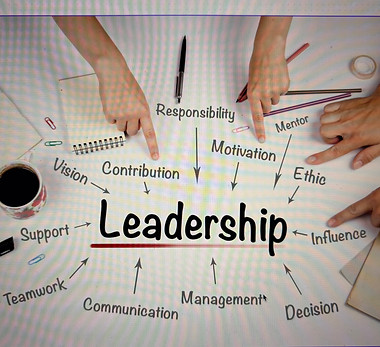
👑 Leadership & Management 👑
True leadership is not about titles or position—it’s about influence, character, and vision. This program empowers leaders to discover their strengths, overcome barriers, and lead with purpose and impact.
1️⃣ Discover Your Strengths & Weaknesses
-
Identify your natural talents and blind spots.
-
Learn how overused strengths can become weaknesses.
-
Delegate effectively and develop accountability.
💭 Questions to Reflect:
-
What are my top 3 leadership strengths?
-
Where do I struggle most as a leader?
2️⃣ Personality-Based Leadership
-
Different personalities lead differently: visionary, relational, strategic, or task-focused.
-
Understand your DISC profile and adapt your leadership style.
-
Learn to lead diverse personalities effectively.
💭 Questions to Reflect:
-
Do I adjust my approach to suit the people I lead?
-
Am I over-relying on my natural style and creating friction?
3️⃣ Leadership Strategies
-
Develop clear communication and delegation.
-
Master problem-solving and decision-making frameworks.
-
Build teamwork and motivate your team effectively.
💭 Questions to Reflect:
-
What systems can I put in place to prevent chaos?
-
Am I leading proactively or just reacting to problems?
4️⃣ Vision-Driven Leadership
-
Vision fuels leadership—it inspires action and purpose.
-
Define and communicate a clear, motivating vision for your team or organization.
-
Lead with intention, not just maintenance.
💭 Questions to Reflect:
-
Can I state my vision in one sentence?
-
Am I driving toward a future goal or just maintaining the present?
5️⃣ Overcoming Limiting Beliefs & Mindsets
-
Identify self-limiting thoughts like “I’m not capable” or “I’ll fail again.”
-
Replace them with empowering beliefs.
-
Cultivate a growth mindset: see failures as lessons and challenges as opportunities.
💭 Questions to Reflect:
-
Which belief is holding me back as a leader?
-
Do I lead with confidence or fear?
✅ Practical Steps for Leaders
-
Take a leadership inventory of strengths, weaknesses, and values.
-
Write a personal vision statement.
-
Replace one limiting belief with a new empowering declaration.
-
Create a strategy plan with achievable goals.
💡 Inspiration:
A manager who believed he “wasn’t good with people” avoided team conversations. By learning his DISC profile and improving communication, he transformed into one of the most respected and influential leaders in his organization.
Peace in Relationships

🌿 Peace in Relationships 🌿
Creating harmony at home, workplace, and community
1️⃣ Reflective Questions
-
Do I listen to understand, or just to reply?
-
What unspoken expectations am I holding?
-
Do I face conflict with respect, or avoid it?
-
Am I quick to forgive, or do I keep score of past wrongs?
-
What is one change I can make in myself to build more peace?
2️⃣ Common Challenges
-
Unmet Expectations – Misaligned needs or assumptions.
-
Poor Communication – Harsh words, silence, or misunderstandings.
-
Personality Differences – Task-oriented vs. people-oriented clashes.
-
Unresolved Conflicts – Past hurts that linger.
-
Selfishness & Pride – Insisting on “my way” instead of mutual respect.
-
Stress & Pressure – Finances, work, or family tension.
3️⃣ Strategies for Building Peace
✅ Communicate Kindly – Share feelings without blame.
✅ Listen to Understand – Hear before responding.
✅ Set Healthy Boundaries – Respect differences without controlling.
✅ Practice Forgiveness – Let go of bitterness; restore relationships.
✅ Focus on Common Goals – Unite around shared purpose.
✅ Develop Empathy – Step into the other person’s shoes.
4️⃣ Practical Exercise
-
Write down your top 3 unmet expectations.
-
Share them calmly without blaming.
-
Brainstorm solutions or compromises together.
-
Commit to one actionable step: “This week I will…”
💡 Illustration:
A couple constantly argued about finances. The wife felt insecure when expenses weren’t planned, and the husband felt restricted by strict budgeting. By sharing feelings openly and creating a joint financial plan, they transformed tension into understanding and peace.
✨ Inspiration:
Peace in relationships isn’t about avoiding conflict—it’s about approaching differences with empathy, respect, and a shared vision for harmony. Small changes in communication and perspective can transform every connection.
Mindset Coaching

🧠 Mindset Coaching 🧠
Transform the way you think to transform the way you live
1️⃣ Understanding Mindsets
-
Definition: A mindset is the collection of beliefs, attitudes, and thought patterns that shape how you interpret life and respond to challenges.
-
Your mindset determines your choices, reactions, and ultimately your results.
💭 Reflection Questions:
-
Which mindset do I notice in myself most often?
-
How does my mindset affect my relationships, work, and personal growth?
2️⃣ Types of Mindsets
-
Fixed Mindset: Believes abilities are static—“I’m just not good at this.”
-
Growth Mindset: Believes skills can be developed through effort and learning.
-
Scarcity Mindset: Focuses on limitations—“There’s never enough.”
-
Abundance Mindset: Sees opportunities and shares generously.
-
Victim Mindset: Blames others, feels powerless.
-
Victor/Overcomer Mindset: Takes responsibility, seeks solutions.
-
Rule-Based Mindset: Focuses on regulations rather than purpose.
-
Purpose-Driven Mindset: Lives intentionally with clarity, focus, and vision.
3️⃣ Overcoming Challenges with the Right Mindset
✅ Fear of Failure – See failure as feedback, not the end.
✅ Limiting Beliefs – Replace self-doubt with empowering thoughts.
✅ Discouragement in Hardship – Use challenges to grow, not to quit.
✅ Comparison with Others – Focus on your unique path and strengths.
💡 Illustration:
A student believed, “I can’t speak in public.” By shifting to, “I’m learning to communicate better every time,” practicing consistently, and seeking support, he transformed fear into confidence. His mindset changed first—and his results followed.
4️⃣ Practical Steps for Mindset Renewal
-
Awareness – Identify your current mindset.
-
Replace Limiting Thoughts – Speak empowering statements over doubts.
-
Set Growth Goals – Take small, consistent steps to build new habits.
-
Surround Yourself with Positivity – Seek supportive mentors and communities.
-
Celebrate Progress – Acknowledge small wins to fuel bigger achievements.
✨ Inspiration:
Your mindset is the lens through which you view life. Change your lens, and the world around you transforms. Growth, resilience, and success all start with the way you think.
Anger Management

🔥 Anger Management 🔥
Transform destructive reactions into constructive responses
1️⃣ Understanding Anger
-
Definition: Anger is a natural emotional response to perceived wrongs, injustice, or unmet expectations.
-
Anger itself is not the problem—it’s how we manage and express it that makes the difference.
-
When handled wisely, anger can become a signal for growth, boundaries, and change.
2️⃣ Common Triggers of Anger
-
Unresolved Hurt: Anger often masks deeper pain.
-
Frustration: Unmet expectations can spark emotional reactions.
-
Control Issues: The desire to dominate situations or people.
-
Stress & Pressure: Overload leads to outbursts.
-
Bitterness & Unforgiveness: Holding onto anger becomes resentment.
-
Learned Patterns: Anger shaped by family or past experiences.
💭 Reflection Questions:
-
What triggers my anger most often?
-
How do I usually express it—constructively or destructively?
-
Does my anger strengthen or damage my relationships at home or work?
✨ Inspiration:
Anger is not a weakness—it’s a signal. When understood and managed wisely, it can guide you toward personal growth, better relationships, and more effective decision-making.